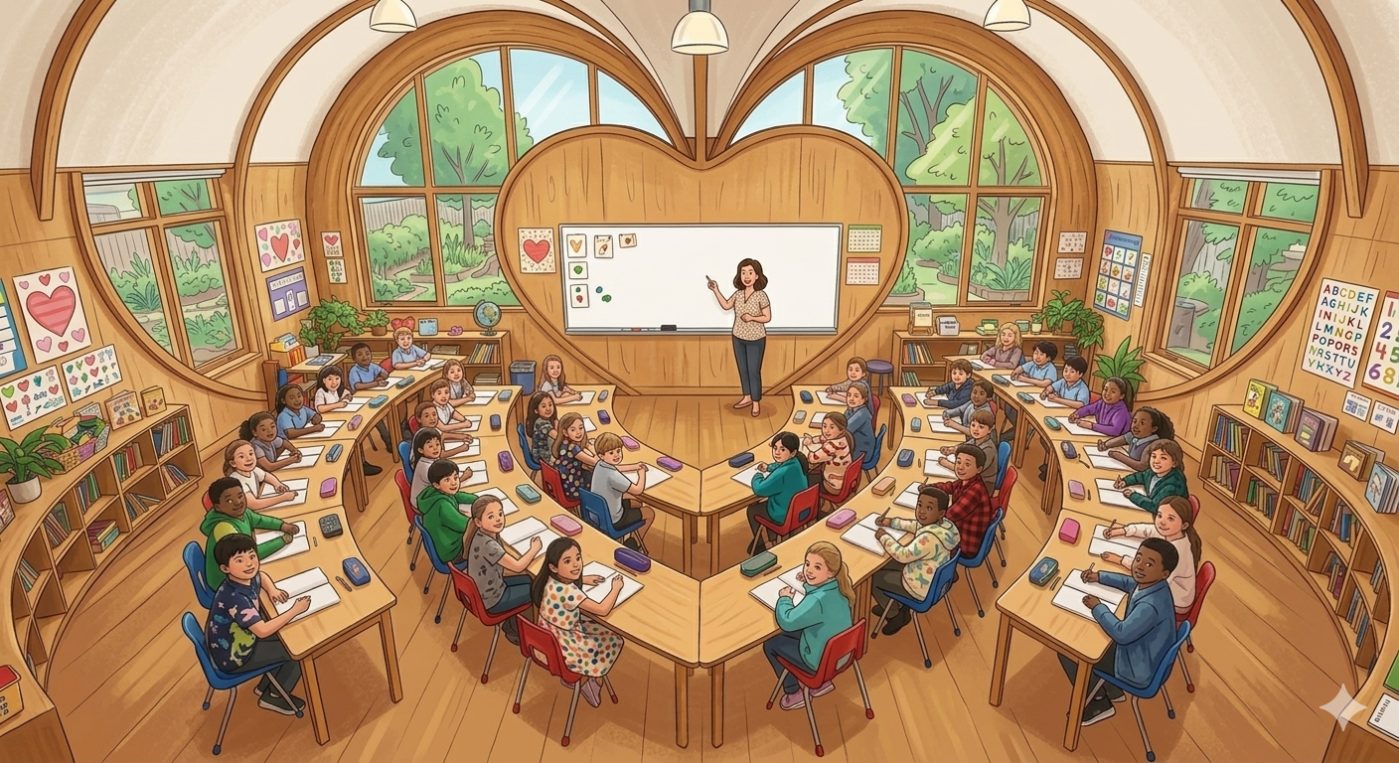
One of my favorite phrases from a professional development experience is: “We don’t teach content, we teach kids.” As the years have passed in my teaching career, I’ve grown to value the importance of teachers not just understanding the subject they teach, but understanding that the most significant content is knowing our students.
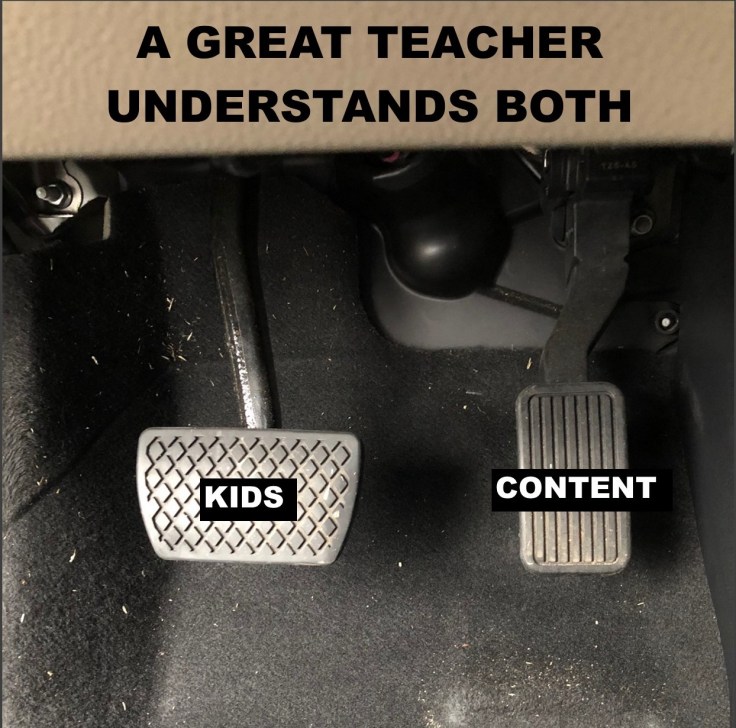
For Teacher Appreciation Week, I want to push back on a growing narrative that students are driving teachers away from the profession. The unpleasant surprises that drive folks away from teaching stem much less from kids, and more from politicians who refuse to properly support students and educators. Shame on anyone who scapegoats students.
Planning lessons and setting expectations are the most predictable parts of teaching. Despite these plans and routines, the most rewarding parts of our job are the interactions with students – which don’t always go as expected. Those are the moments I most appreciate.
It’s a high compliment when students use slang in context when speaking with you. Some adults interpret that as disrespect, but it’s usually the opposite: it’s a sign that they think you “get” them. Trying to keep up with the latest slang is tough, and it’s usually more fun to purposefully use outdated terms. But it turns out they like to teach us too. I learned about “aura,” which has apparently replaced “vibe.” Whatever we’re calling it these days, the aura/vibe of a classroom of young people is a working environment that slays.
If you rolled your eyes at the last sentence, you just participated in my most appreciated nonverbal classroom communication. If a student rolls their eyes, rest assured they heard you. They can’t learn if they’re not listening, so consider this a win. Lean into it and playfully invite it. This banter is a retention strategy: it keeps me in the classroom and keeps kids’ attention.
Not all behavior is ideal, but as Epictetus said, “It’s not what happens to you, but how you react that matters.” When I allowed students to use their phones in class to transfer responses from their “inflation interviews,” one student called his dad on speaker to belatedly ask some of the interview questions. I felt the students’ eyes on me, awaiting my response.
Those moments of spontaneity go both ways.
I laughed, and we listened in as the student learned that his father once lived in Delaware, and shared his housing cost. The student added the information to his worksheet and adjusted it for inflation as assigned.
Even after students leave class for the day, unexpected events aren’t necessarily over. With more than thirty people in a classroom, I often crack open a window. It was still open after school as I sat at my desk trying to grade a few more research papers before going home for the day.
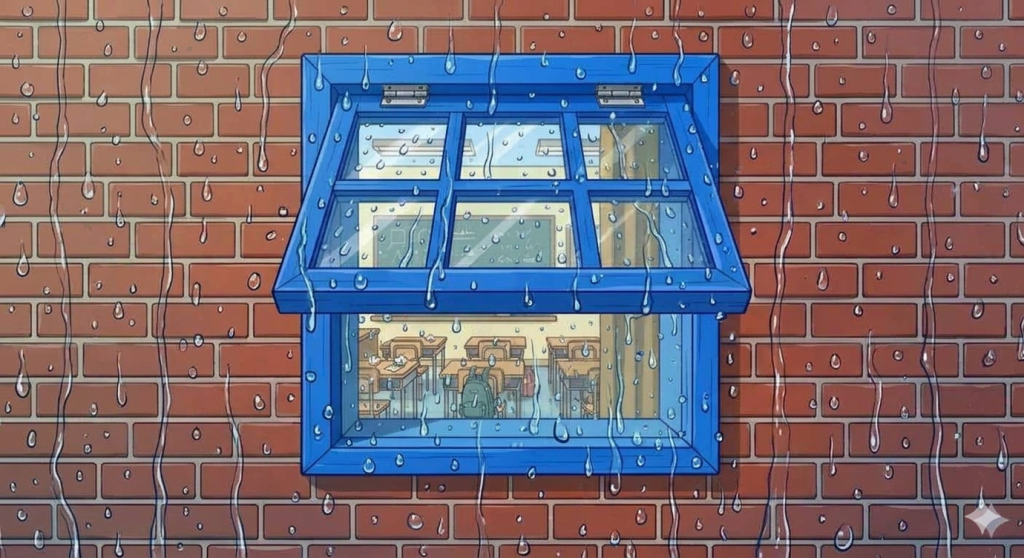
Suddenly, a few freshmen waiting for their bus huddled under the cover of the window to stay dry from a sudden rainstorm. Seeing me on the other side startled them. They scrambled away but I invited them back. They noticed my Buffalo Bills flag and said “Go Bills” in appreciation. In case you’re wondering, five freshmen can fit under a square classroom window as an umbrella.
When it was my turn to leave for the day, I found the umbrella window propped open too far for me to reach and close from the inside. I channeled the creative problem solving demonstrated by the freshmen and MacGyvered my satchel strap into a lasso to finally close the window.
All of these events happened this past Wednesday.
Despite all the lesson planning and regimentation via bells, each day teaching brings unexpected moments that go along with sharing space with students. More often than not, those moments bring joy.
That’s why it rings false when students are blamed for the struggles facing the teaching profession. The kids are not what make this work unsustainable. In fact, they’re the reason we try to stay.


Leave a Reply